
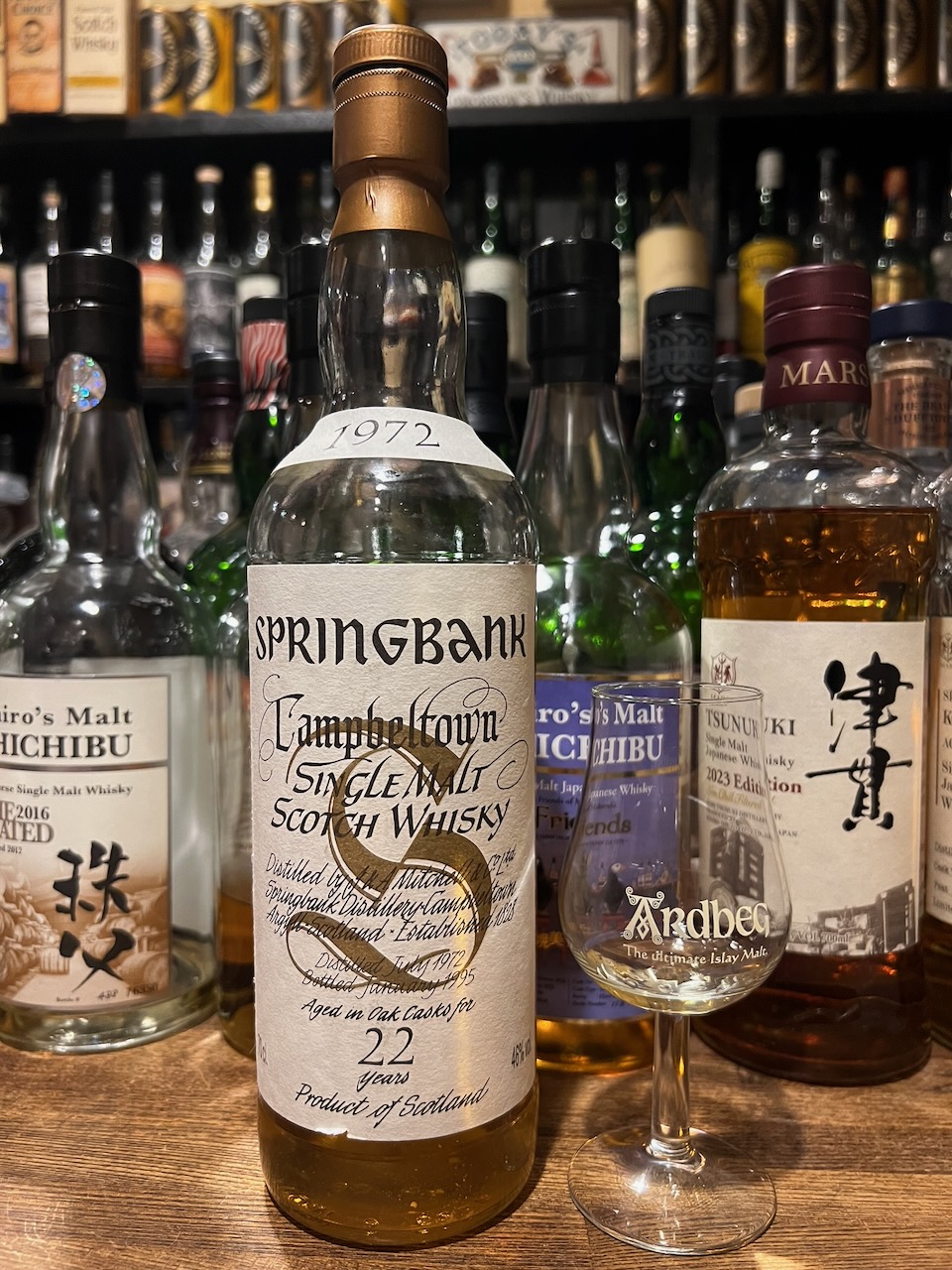
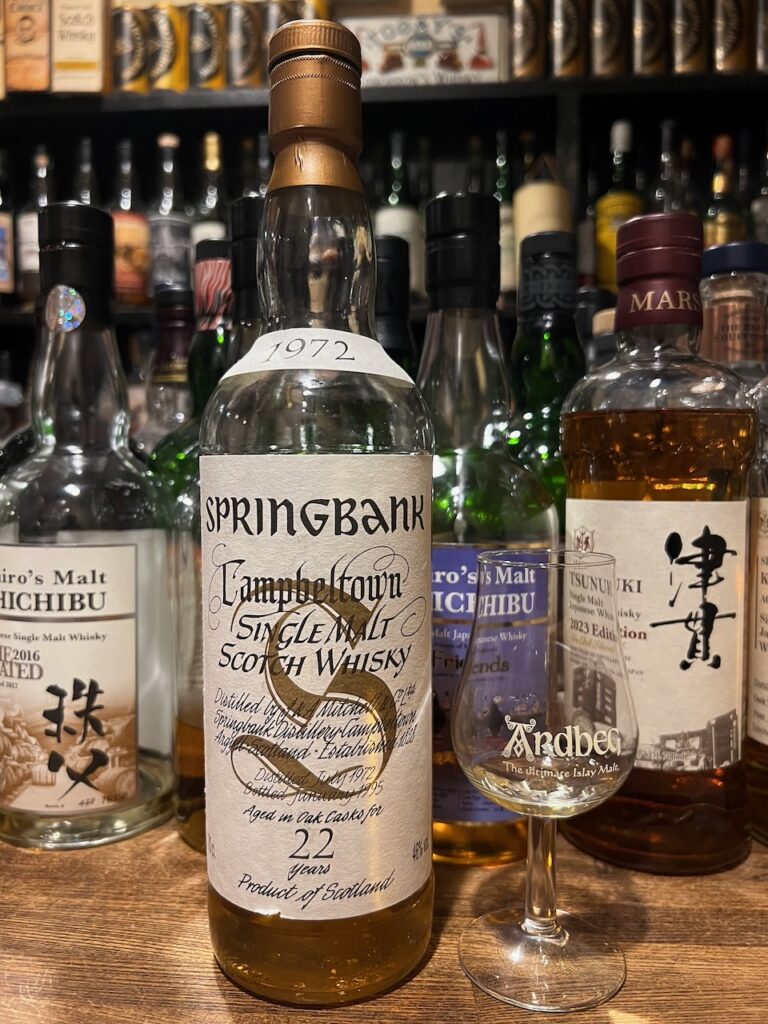
Welcome to Japan!
Whether you are visiting Japan for business or leisure, we are delighted to welcome you. Just as Japan is internationally renowned for its rich and diverse food culture, it is also one of the world’s most fascinating destinations for whisky lovers.
Japan offers whisky experiences that are difficult—sometimes impossible—to find anywhere else. You can enjoy beautifully preserved vintage whiskies distilled in the 1960s, 70s, and 80s at specialist whisky bars, or discover Old & Rare bottles that have been carefully kept in excellent condition for decades. You can also purchase Scotch whiskies released exclusively for the Japanese market, as well as Japanese whiskies that are rarely available outside Japan, at local specialist retailers.
In this guide, we will introduce the best ways for overseas visitors to enjoy, purchase, and take home whisky while travelling in Japan.
Japan’s Whisky Culture & History
There was a time when whisky was one of the most popular alcoholic drinks in Japan. From the post-war reconstruction period through the years of rapid economic growth, whisky symbolised prosperity and success. For many Japanese people, it was an aspirational drink, often reserved for special occasions.
One of the best-known whisky lovers in post-war Japan was Prime Minister Shigeru Yoshida. Having spent part of his early career in the United Kingdom as a diplomat, he developed a deep appreciation for Scotch whisky and was particularly fond of Old Parr.
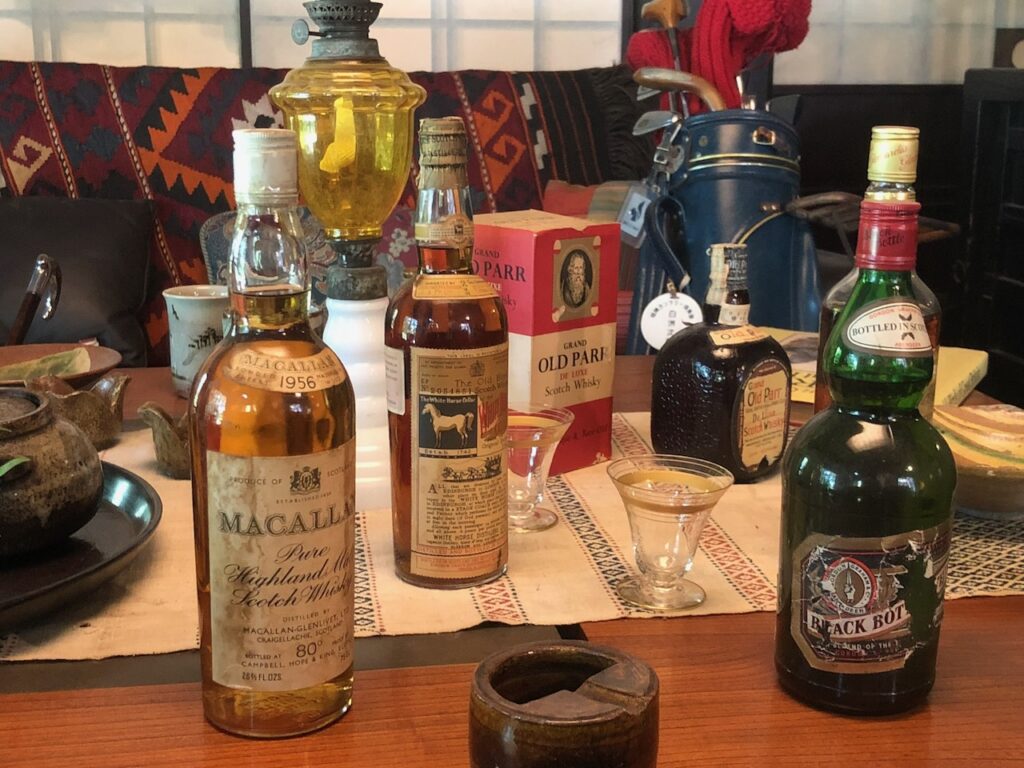
During the 1970s and the first half of the 1980s, enjoying whisky after work became part of everyday life for Japanese salarymen. They would often gather at bars or small neighbourhood drinking establishments, while at home whisky was commonly enjoyed as a mizuwari—simply mixed with water and served alongside dinner. At the time, drinking Suntory Old or Johnnie Walker Black Label was considered a symbol of success and social status.
The economic bubble of the 1980s, combined with the strong Japanese yen, transformed Japan into one of the world’s most important whisky markets. Demand for premium whisky was extraordinary, prompting distilleries and importers from around the world to create special bottlings exclusively for Japan. Many legendary limited editions that are now highly sought after by collectors were originally released only for the Japanese market.
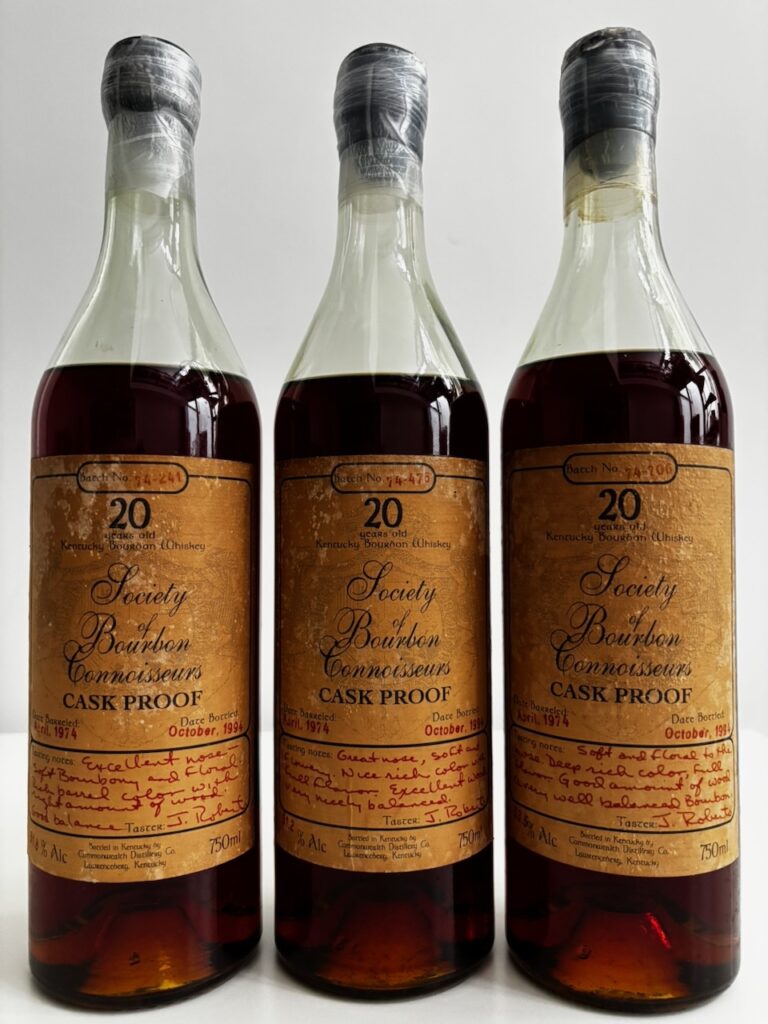
One of the best examples is the Society of Bourbon Connoisseurs (SOBC) series. These limited bottlings were created specifically for Japan by the legendary bourbon figure Julian Van Winkle III. The prestigious name “Society of Bourbon Connoisseurs” suggested the existence of an exclusive organisation, but in reality no such society ever existed. It was simply a fictional name created to appeal to Japan’s passionate whisky enthusiasts.
What made these bottlings truly remarkable, however, was not the name but the whisky itself. At a time when long-aged bourbon was still largely overlooked in the United States, SOBC featured exceptionally mature bourbons—often around 20 years old—bottled at cask strength. Such releases would be almost unimaginable today. First released in 1994, the series was born from the premium bourbon boom that had been developing in Japan since the 1980s, allowing Japanese enthusiasts to experience the richness of well-aged bourbon long before it became fashionable elsewhere.
Today, SOBC has become one of the most legendary names in bourbon collecting. Bottles regularly command several thousand dollars at international auctions, with the rarest examples estimated at well over US$10,000. It perfectly illustrates how important and influential the Japanese market had become for distilleries and independent bottlers during that era.
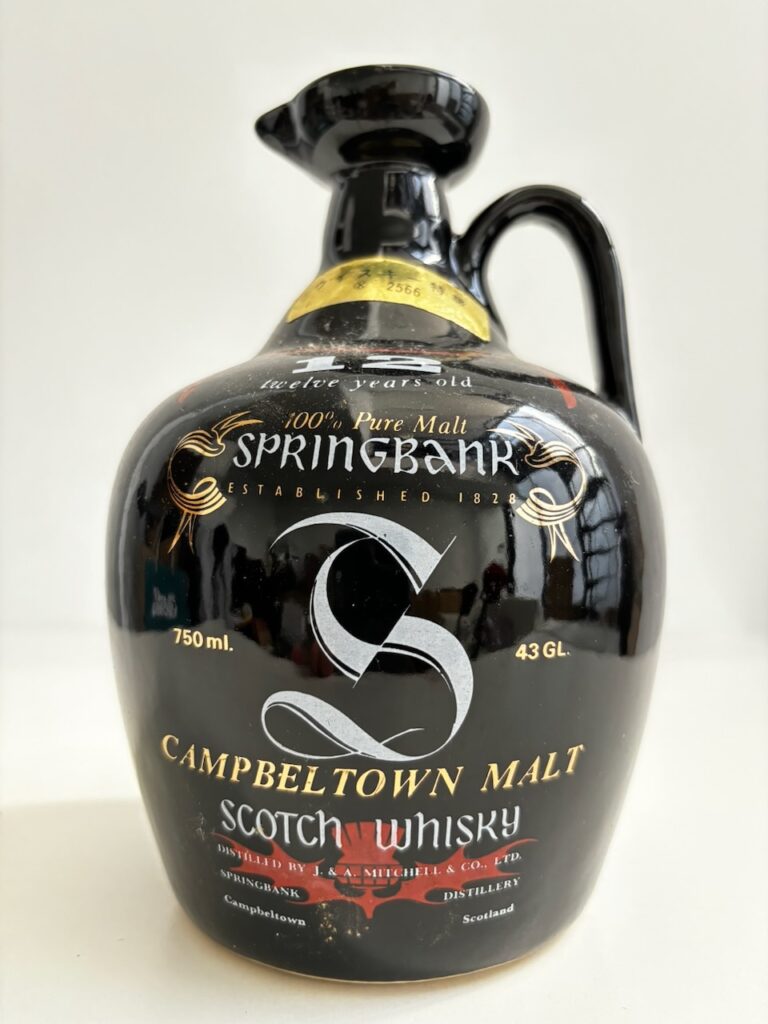
Japan also has a long tradition of seasonal gift-giving. Every summer (Ochugen) and winter (Oseibo), it is customary to present gifts to customers, business partners, colleagues and people to whom one wishes to express gratitude. Premium whisky became one of the most popular gifts, and during the 1970s and 1980s many Scotch whiskies were released in beautifully designed ceramic decanters. Springbank was among the distilleries whose ceramic bottles were often chosen as prestigious gifts. Whisky was not simply a drink—it was also regarded as a luxury item and a symbol of appreciation.
Ironically, Springbank was nothing like the cult distillery it is today. For many years these ceramic bottles did not attract too much attention in Japan and overlooked, could often be found gathering dust in the back rooms of local liquor stores. Long before Springbank became one of the world’s most sought-after single malts, perceptive Japanese bartenders recognised their quality. Many spent years travelling around rural Japan, visiting small family-owned liquor shops and quietly building collections bottle by bottle. Thanks to their such foresight—and perhaps a little luck—many of these rare bottles have survived in remarkably good condition and continue to tell the story of Japan’s unique whisky culture.
However, the situation changed dramatically in the late 1980s.
At the time, Japan’s whisky market was governed by a complicated tax system that included a grading classification and ad valorem tax, meaning that the more expensive a whisky was, the higher the tax burden it carried. Shochu, despite also being a distilled spirit, was taxed at a much lower rate. The European Community (EC) and the United States argued that this system unfairly discriminated against imported spirits, making it one of the issues behind the trade disputes between Japan and its Western trading partners.
As a result, Japan reformed its liquor tax laws in 1989, abolishing the grading system, followed by the gradual elimination of the ad valorem tax throughout the 1990s. Overnight, many premium Scotch whiskies and top-grade Japanese whiskies that had once been considered luxury items became 30–50% more affordable.
This dramatic price reduction also changed the public perception of whisky in an ironical way. As it became more accessible, whisky gradually lost its image as a prestigious drink associated with success and prosperity. The collapse of Japan’s economic bubble in the early 1990s only accelerated this trend. Blended whiskies such as Suntory Old entered a long period of decline, and younger generations increasingly regarded whisky as “something their father or grandfather drank.” Consumption continued to fall for nearly two decades.
Paradoxically, however, this “lost era” is precisely what made Japan one of the world’s greatest destinations for old and rare whiskies today.
As demand collapsed, countless bottles purchased during the whisky boom of the 1970s and 1980s remained unsold in liquor stores, hotel bars, and private collections. Many rare Scotch whiskies and premium bourbons that had originally been imported exclusively for the Japanese market simply stayed in Japan, untouched for decades.
There is another important reason why so many of these bottles have survived in exceptional condition. In Japan, whisky had long been regarded as a luxury item—something to be collected, displayed, or given as an important gift. Combined with the Japanese culture of taking great care of personal possessions, many bottles were stored remarkably well. Just as Japanese used cars have earned an outstanding international reputation for their excellent condition, the same attention to care can often be seen in the way whisky has been preserved. While this is certainly not the only reason, it is undoubtedly one of the factors behind the remarkable condition of many old bottles found in Japan today.
As a result, bottles of Scotch whisky and Japanese whisky from the 1960s through the 1980s—as well as rare bourbons originally imported specifically for the Japanese market—can still be found in astonishing condition. Being able to enjoy these whiskies in specialist bars or purchase them from trusted retailers is one of the truly unique experiences available to whisky lovers visiting Japan.
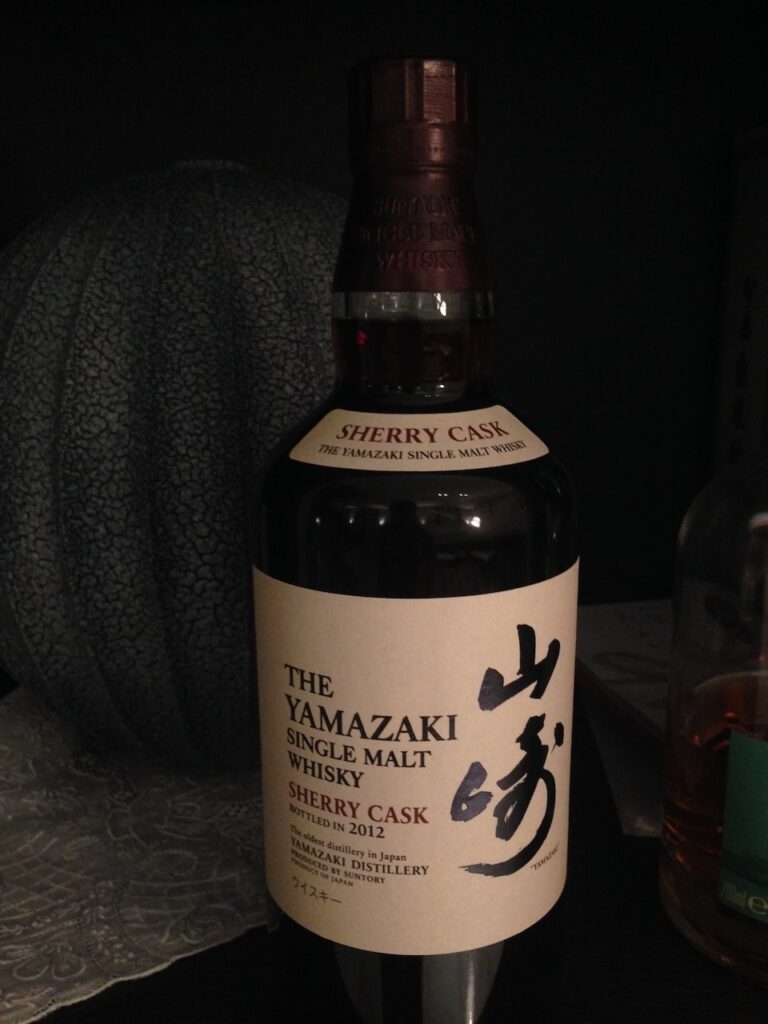
After nearly two decades of decline, Japanese whisky returned to the global spotlight in the early 2010s. In 2013, Yamazaki Sherry Cask 2013 was named World Whisky of the Year in Jim Murray’s Whisky Bible, a milestone that dramatically elevated the international reputation of Japanese whisky. Together with the worldwide resurgence of interest in premium whisky, this marked a major turning point in the history of the Japanese whisky industry.
The following year, the NHK television drama Massan—based on the life of Masataka Taketsuru, the founder of Nikka Whisky—became a nationwide hit. The series introduced an entirely new generation of Japanese consumers to the history of whisky making in Japan and helped fuel a renewed domestic whisky boom.
Around the same time, a new generation of distilleries began to emerge. Following the success of Chichibu Distillery, founded by Ichiro Akuto, many exciting new producers—including Akkeshi, Kanosuke and Tsunuki—entered the market, ushering in a new era for Japanese whisky.
In recent years, interest has expanded beyond the established names. Younger enthusiasts have entered the hobby in large numbers, particularly since the COVID-19 pandemic, and whisky has finally shed its image as a drink for older generations. Although prices have risen dramatically due to growing global demand, many new enthusiasts have grown up in an era where fine whisky has always been expensive. As a result, purchasing premium bottles to enjoy at home has become increasingly common, rather than being reserved only for bars or special occasions.
Another characteristic that makes the Japanese whisky market unique is the remarkable diversity of consumer preferences. Unlike some Asian markets, where demand tends to concentrate on heavily sherried, high-proof whiskies or bottles from only a handful of famous distilleries, Japanese enthusiasts appreciate a much broader spectrum of styles. Bourbon cask or sherry cask, peated or unpeated, well-known distilleries or emerging producers—quality is often valued above reputation alone. This open-mindedness has helped create one of the world’s most balanced and diverse whisky markets.
Today, Japan offers an extraordinary whisky experience unlike almost anywhere else in the world. It is one of the few places where you can enjoy everything from beautifully preserved old and rare bottles of the 1960s, 70s and 80s to the latest releases from the country’s most exciting craft distilleries. Combined with a whisky culture that embraces an exceptional variety of styles and producers, Japan has become not only the home of world-class whisky, but also one of the world’s most rewarding destinations for whisky lovers.
Next Chapter | Why You Should Visit a Long-Established Japanese Whisky Bar
コメント