
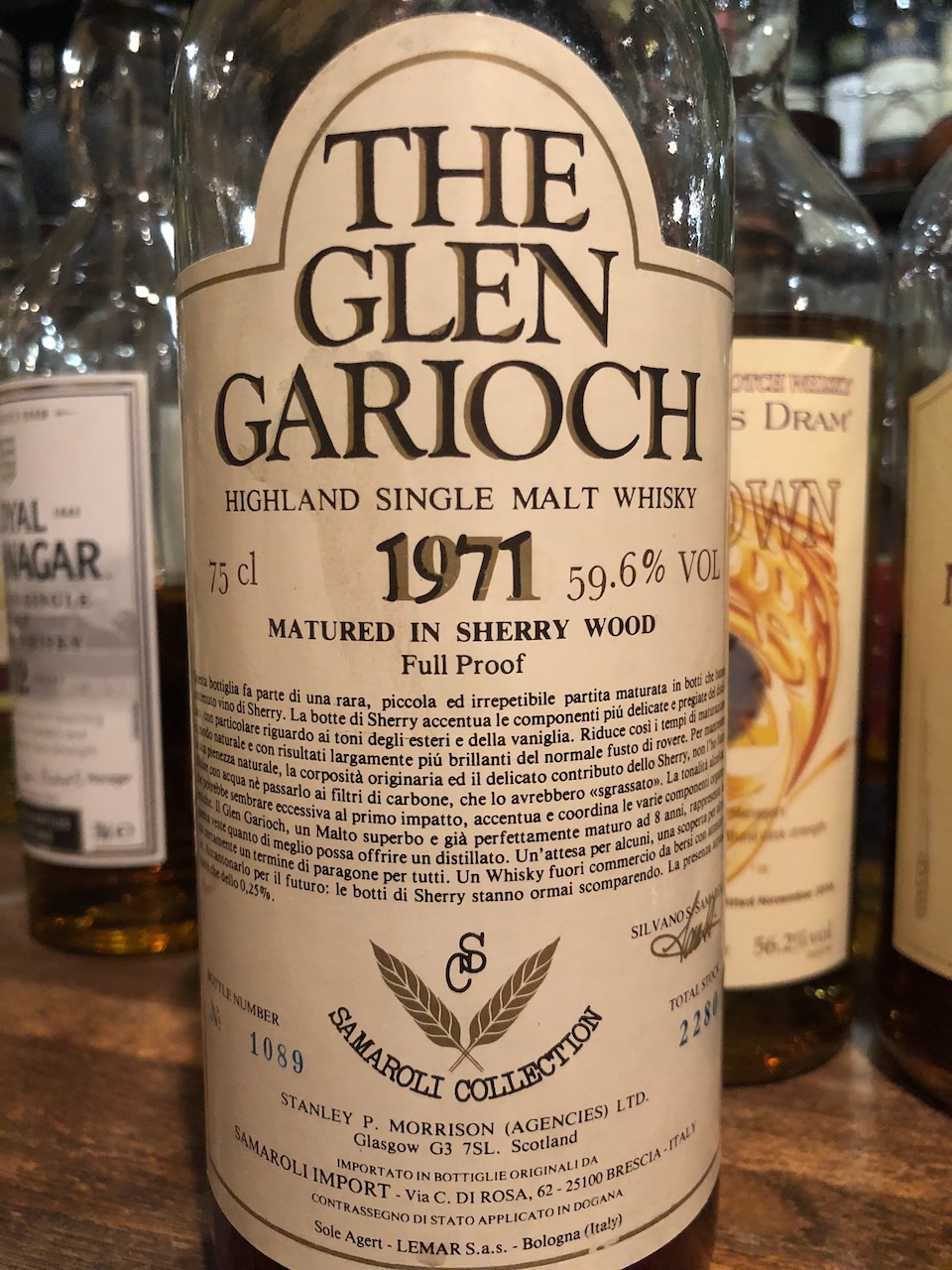
Why You Should Visit a Long-Established Japanese Whisky Bar
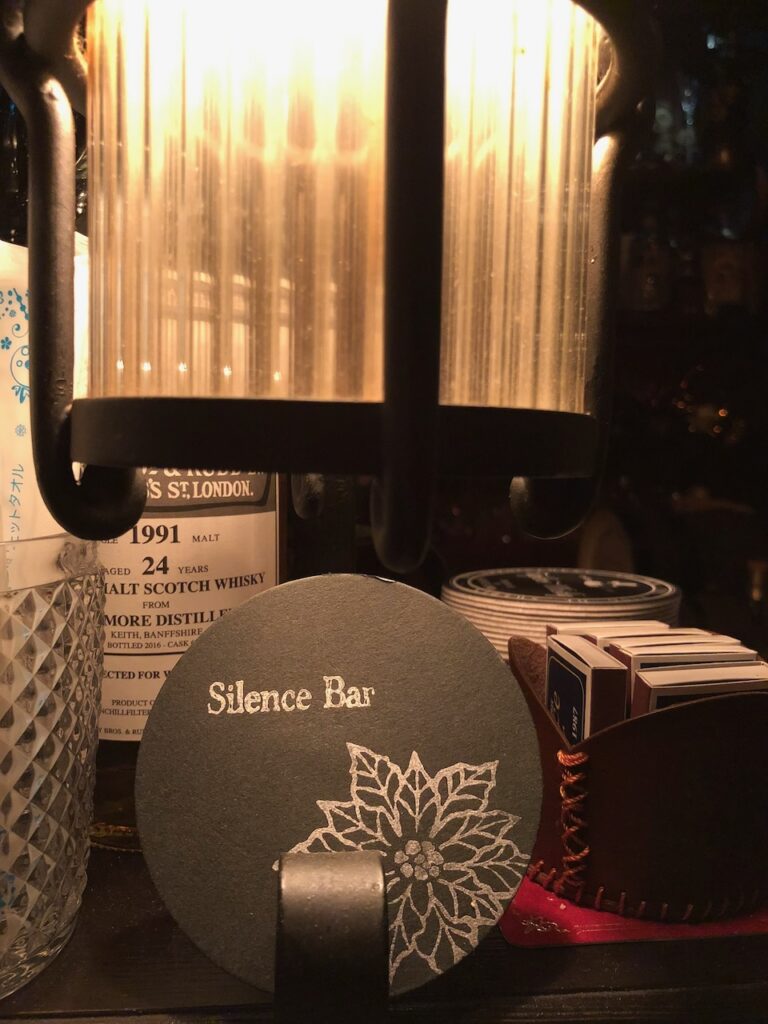
Visiting a Japanese whisky bar is very different experience from visiting an ordinary bar.
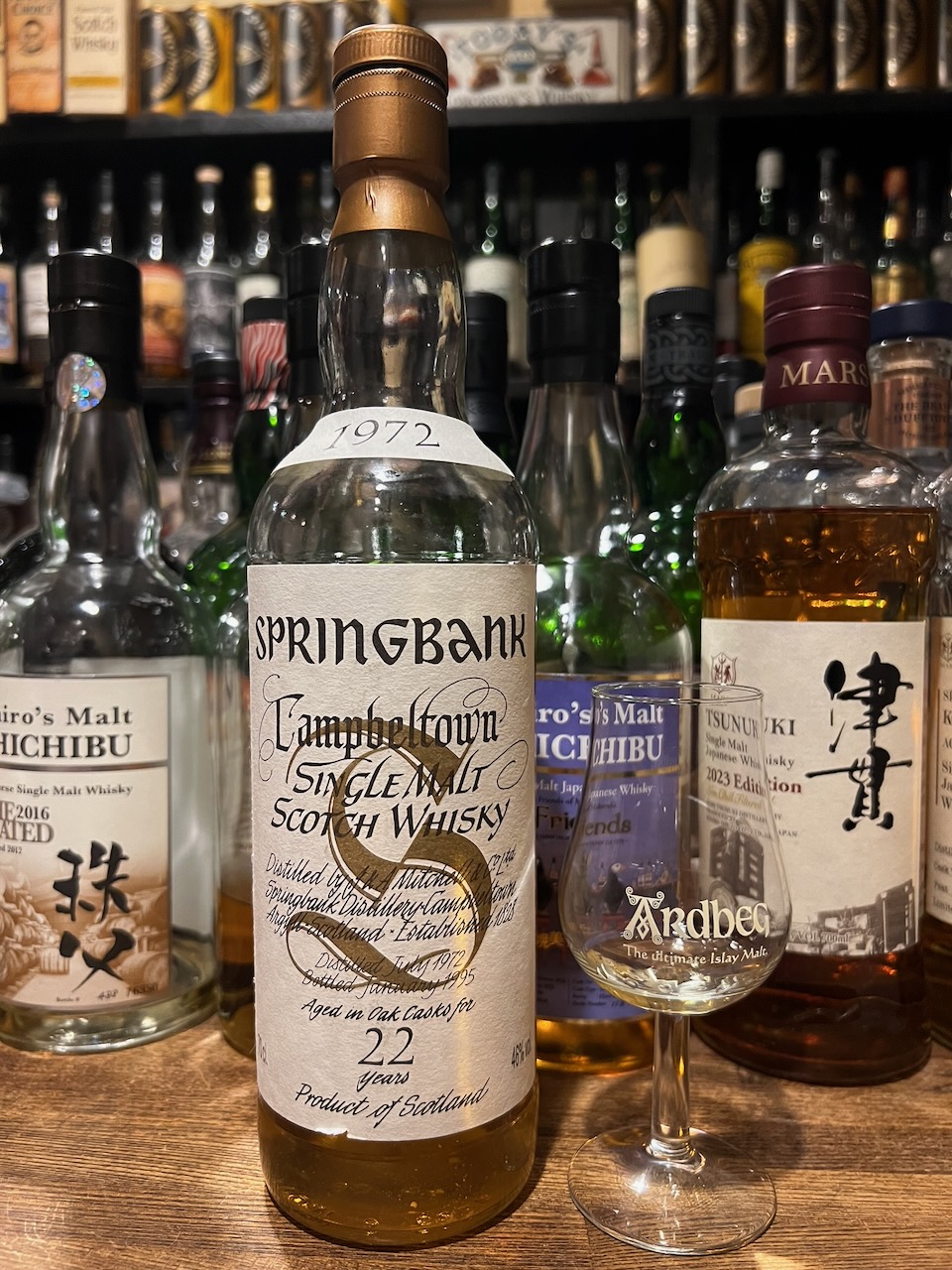
Earlier, I mentioned that long before Springbank became one of the world’s most sought-after distilleries, Japanese bartenders had already recognised its quality and were quietly building their collections by purchasing bottles from local liquor stores around the country.
That story perfectly illustrates the culture of Japanese whisky bars.
A long-established Japanese whisky bar is not simply a place to enjoy a dram. It is a living archive of whisky culture, built over decades by bartenders who have carefully selected, collected, preserved and shared remarkable whiskies with their customers.
For this reason, if you are planning to visit several whisky bars during your stay in Japan, I would strongly encourage you to include at least one bar with a long history.
The reason is not simply that you are more likely to encounter old and rare bottles.
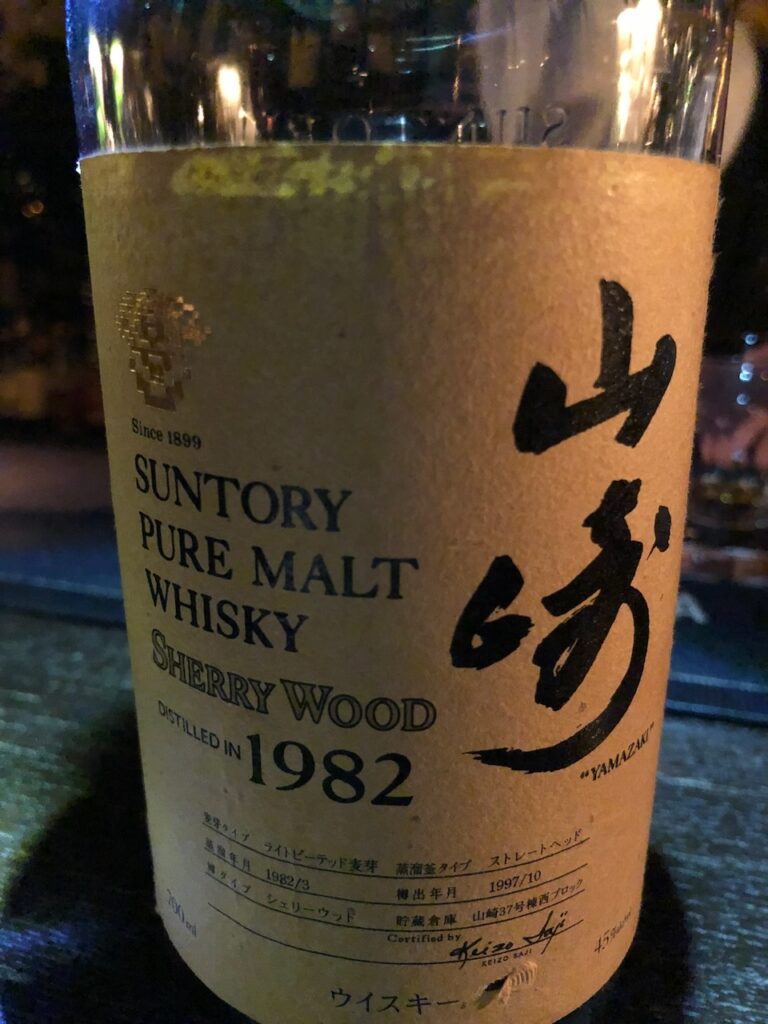
The real treasure is the people behind those bottles.
Many of these bars were established during a time when whisky was far less popular than it is today. Back then, bottles that are now worth hundreds of thousands of yen—or even considerably more—could still be purchased at ordinary retail prices. But that does not simply mean their owners were fortunate enough to buy valuable bottles while they were cheap.
Even at those prices, building a collection of dozens or even hundreds of bottles represented a significant investment. More importantly, preserving those bottles in perfect condition for ten, twenty, or sometimes more than thirty years required careful management, financial commitment, patience and, above all, an unwavering belief in the whisky itself.
During much of that time, whisky was no longer a fashionable drink. Demand declined year after year, and there was no guarantee that those bottles would ever become valuable. Yet many bartenders trusted their own judgement. They believed that one day these whiskies would be appreciated for what they truly were, and they patiently continued to preserve them for future whisky lovers.
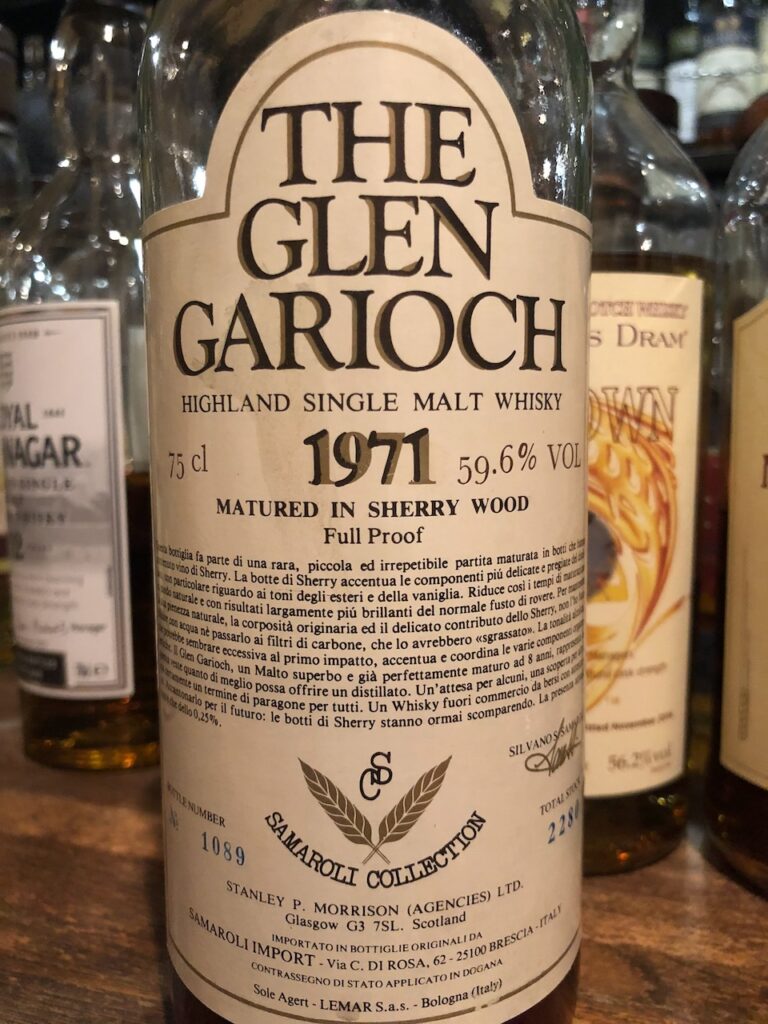
Among Japanese bartenders, there is a philosophy often expressed in the phrase:
“Old bottles are made, not found.”
An old bottle is not simply a bottle that happened to remain unsold long enough to become old. It is the result of deliberate decisions made years or even decades earlier. Bartenders identify whiskies they believe will develop beautifully over time, carefully store them under the best possible conditions, and preserve them with the intention of serving them to future customers at their very best. Every great old bottle reflects years of foresight, patience and care.
Developing that kind of judgement is no easy task.
Today, reviews of newly released whiskies are only a few clicks away on social media, YouTube or Whiskybase. But twenty or thirty years ago, before the internet became part of everyday life, that information simply wasn’t available.
If you wanted to know whether a newly released bottle was truly exceptional, you had to find a bar that had opened one and taste it yourself—or speak with a bartender or trusted whisky enthusiast who had. Imagine arriving in a city you’ve never visited before and being asked to find its very best restaurant without a smartphone, online maps or review websites. That was essentially what discovering great whisky was like.
This is why the old bottles displayed behind the bar in Japan’s long-established whisky bars are far more than simply old bottles. Each one represents decades of experience, patience, countless tastings and carefully developed judgement.
If you have the opportunity to visit Japan, I encourage you to spend at least one evening in one of these bars.
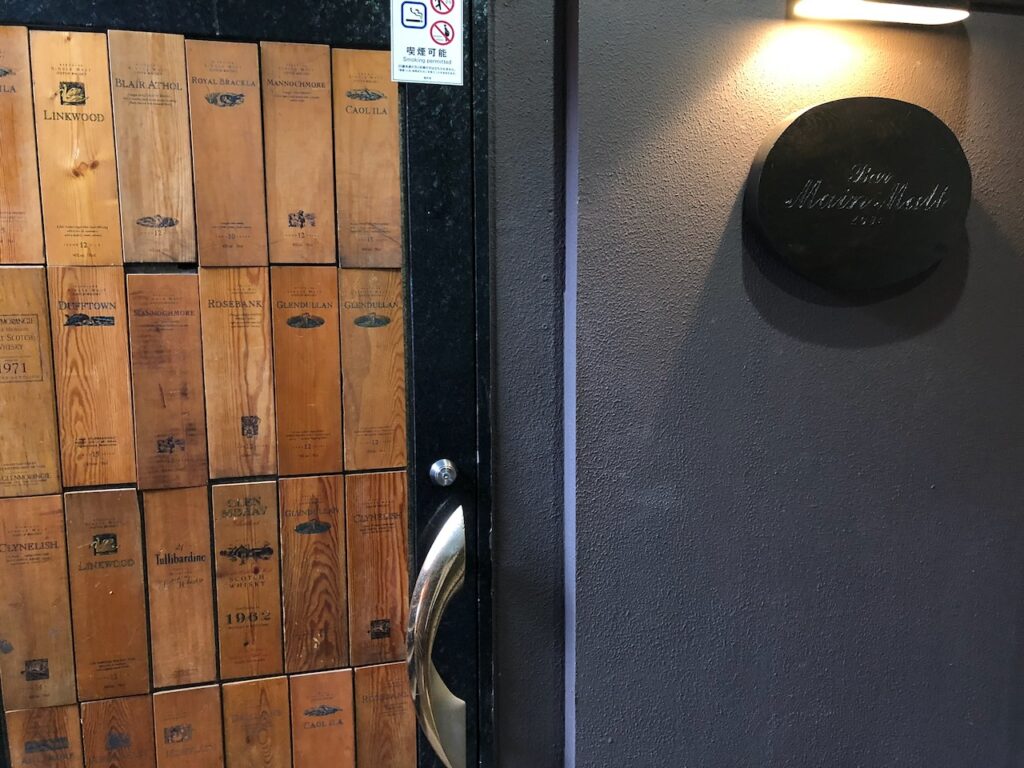
What is poured into your glass is not simply a whisky that has grown old. It is a dram that carries decades of Japanese whisky culture with it—carefully preserved and passed down by generations of bartenders dedicated to their craft.
Now that we’ve explored why Japan’s historic whisky bars are so special, let’s visit a few of them. In the next article, I’ll introduce some of the bars where “old bottles are made” and the bartenders whose passion and foresight have helped shape Japan’s whisky culture.
Many visitors come to Japan hoping to buy rare whisky, but one of the country’s greatest treasures is its historic whisky bar culture. If your itinerary allows, spending an evening at a long-established Japanese whisky bar may become the most memorable whisky experience of your trip.
Previous Chapter | The Ultimate Guide to Buying and Enjoying Whisky in Japan | Part 1

コメント